By Ed Fernandez
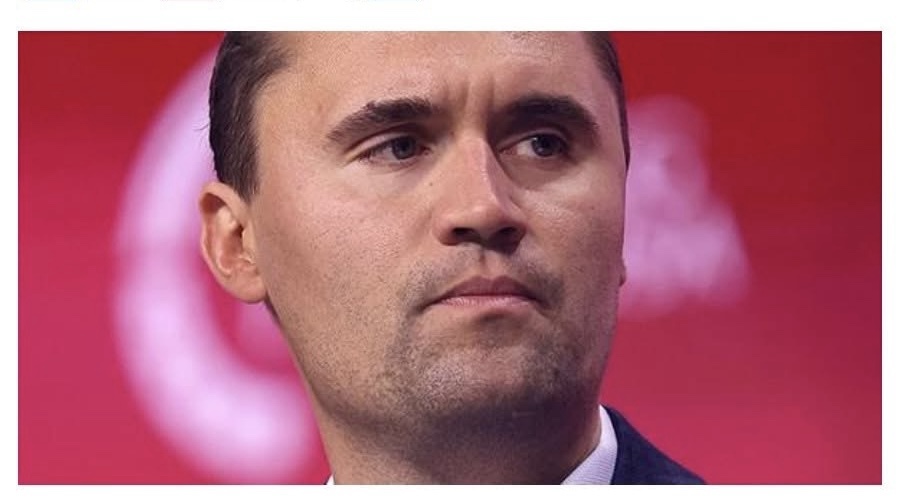
In the wake of Charlie Kirk’s tragic death, many in the evangelical world have rushed to memorialize him as a bold truth-teller and defender of Christian values. But for Black communities and their allies, this moment demands more than mourning—it demands honesty.
Kirk’s legacy, like that of 19th-century theologian Robert L. Dabney, is a study in contradiction. Both men were articulate defenders of Christian orthodoxy. Both were also unapologetic opponents of Black dignity and testimony. Dabney, revered in Reformed circles, wrote extensively in defense of slavery and white supremacy. Kirk, in more modern terms, used his platform to undermine Black narratives, often cloaking his rhetoric in appeals to free speech and patriotism.
Theological brilliance cannot excuse moral blindness. As Black theologians like James Cone and Willie Jennings have long argued, any theology that ignores the suffering of the oppressed is not merely incomplete—it is complicit. Cone’s Black Liberation Theology reframed the gospel as a message of emancipation, not empire. Jennings exposed how Western theology has historically been entangled with racial hierarchies and colonial power.
Today, communities are reckoning with these legacies. Churches are revisiting the heroes they once celebrated. Seminaries are re-evaluating the texts they teach. And Black scholars are offering counter-narratives that center truth, justice, and memory.
This is not about erasing history. It’s about telling the whole story. Mourning Kirk’s death should not mean silencing the voices he spent his life opposing. Sympathy and accountability are not mutually exclusive. If we are to move forward, we must confront the theological traditions that have too often sanctified exclusion—and listen to the communities that have borne the cost.
 PENnED
Leave a comment